New home siding options open up a world of possibilities for homeowners looking to enhance the exterior of their property. From classic choices like vinyl and wood to modern materials like fiber cement and metal, the options are endless. Let's dive into the details of different siding materials, costs, energy efficiency, and design trends to help you make the best choice for your home.
As we unravel the intricacies of each siding option, you'll gain valuable insights into the world of home exterior design.
Types of New Home Siding Options
When it comes to choosing the right siding for your home, there are several options available, each with its own unique features and benefits. Let's take a look at some of the most popular siding materials used today and compare their characteristics.
Vinyl Siding
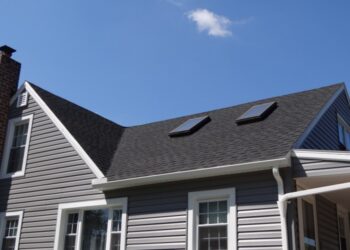
Vinyl siding is a popular choice for homeowners due to its affordability and low maintenance requirements. It is available in a wide range of colors and styles, making it easy to find a design that suits your home. While vinyl siding is durable and resistant to rot and insects, it may crack or fade over time with exposure to harsh weather conditions.
Wood Siding
Wood siding offers a classic and natural look that many homeowners find appealing. Cedar and redwood are commonly used types of wood siding known for their durability and resistance to decay. However, wood siding requires more maintenance compared to other materials, as it needs to be regularly stained or painted to prevent rot and insect damage.
Fiber Cement Siding
Fiber cement siding is a versatile option that combines the look of wood with the durability of concrete. It is resistant to fire, rot, and pests, making it a low-maintenance choice for many homeowners. Fiber cement siding is available in a variety of colors and textures, allowing for customization to suit your home's style.
Metal Siding
Metal siding, such as aluminum or steel, is known for its durability and resistance to harsh weather conditions. It is a long-lasting option that requires minimal maintenance and can be easily recycled at the end of its lifespan. Metal siding is available in different finishes, including smooth, textured, and embossed, offering a modern and sleek look to your home.
Cost Considerations
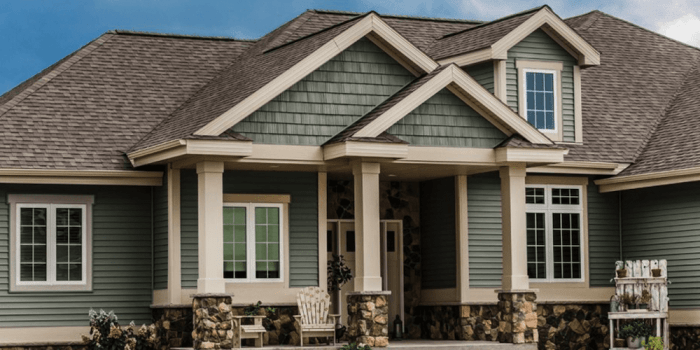
When considering new home siding options, cost is a significant factor that can vary depending on various factors. The overall cost of siding installation can be influenced by factors such as material quality, the size of the home, and the complexity of the installation process.
Impact of Installation
The cost of siding installation can vary based on the method and complexity of the installation process. For instance, if the installation requires additional labor and specialized equipment, the overall cost may increase. DIY installations might be more budget-friendly but could lead to potential issues if not done correctly.
Material Quality
The quality of the siding material can significantly impact the overall cost. High-quality materials such as fiber cement or natural wood siding tend to be more expensive upfront but can offer long-term durability and aesthetic appeal. On the other hand, vinyl siding is a more budget-friendly option that provides a good balance between cost and durability.
Size of the Home
The size of the home plays a crucial role in determining the cost of siding installation. Larger homes will require more materials and labor, leading to higher overall costs. Conversely, smaller homes may be more affordable to side, making it essential to consider the size of the property when choosing a siding option.
Budget-Friendly Options
- Vinyl Siding: A popular choice for its affordability and low maintenance requirements.
- Engineered Wood Siding: Provides the look of real wood at a lower cost.
High-End Luxury Choices
- Fiber Cement Siding: Known for its durability and versatility, but comes at a higher price point.
- Natural Wood Siding: Offers a timeless and luxurious look, but requires more maintenance and comes with a higher price tag.
Energy Efficiency and Insulation
When it comes to the energy efficiency of a home, the choice of siding material plays a crucial role. Different siding options offer varying levels of insulation, which can impact heating and cooling bills significantly.
Impact of Siding Materials on Energy Efficiency
- Vinyl siding is known for its good insulation properties, helping to keep the home warm in winter and cool in summer. This can lead to lower energy usage and reduced bills.
- Fiber cement siding is another energy-efficient option that provides excellent insulation, helping to regulate indoor temperatures effectively.
- Wood siding, while aesthetically pleasing, may not offer the same level of insulation as other materials, potentially leading to higher energy costs.
- Metal siding, like aluminum or steel, can also contribute to energy efficiency by reflecting sunlight and reducing heat absorption into the home.
Tips for Selecting Energy-Efficient Siding
- Consider the climate of your region when choosing siding materials. For colder climates, opt for highly insulated options like vinyl or fiber cement. In warmer regions, materials with reflective properties like metal siding may be more suitable.
- Look for siding products with high R-values, indicating better thermal resistance and insulation capabilities.
- Ensure proper installation to maximize energy efficiency. Properly sealed and installed siding can prevent air leaks and improve overall insulation.
Design and Style Trends
When it comes to home siding, design and style play a crucial role in enhancing the overall look of a house. Let's explore some current trends in home siding design and aesthetics that can elevate the curb appeal of your home.
Siding Profiles, Colors, and Textures
The choice of siding profiles, colors, and textures can dramatically impact the visual appeal of a home. Here are some popular options:
- Vertical Siding: Vertical siding can add a modern and sleek look to a home, making it stand out in the neighborhood.
- Board and Batten: This traditional style offers a rustic charm and can give a home a cozy, cottage-like feel.
- Shake Siding: Mimicking the look of cedar shakes, this style adds texture and depth to a house's exterior.
Modern and Traditional Styles
Whether you prefer a contemporary or classic look, there are siding options to suit every homeowner's taste. Here are some examples:
- Modern: Fiber cement panels in bold colors like charcoal or navy can create a striking and modern facade.
- Traditional: Vinyl siding in neutral tones such as beige or gray offers a timeless appeal that never goes out of style.
- Mixed Materials: Combining different materials like stone veneer with vinyl siding can add visual interest and depth to a home's exterior.
Final Wrap-Up
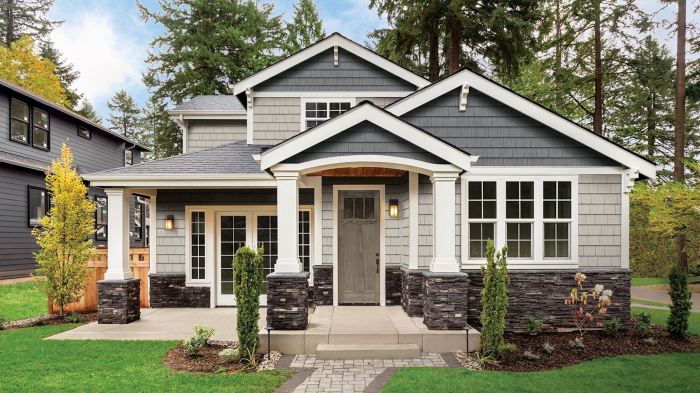
In conclusion, the world of new home siding options is vast and varied, offering something for every taste and budget. Whether you're drawn to the timeless appeal of wood or the sleek look of metal, there's a siding option out there waiting to transform your home.
Dive into the possibilities and make your home's exterior truly shine.
FAQs
What are the most popular siding materials?
Popular siding materials include vinyl, wood, fiber cement, and metal.
How do siding options impact energy efficiency?
Siding materials can contribute to a home's energy efficiency by providing insulation.
What factors determine the cost of new home siding?
Cost factors include installation, material quality, and the size of the home.
What are some budget-friendly siding options?
Budget-friendly options include vinyl and basic wood siding.
How can siding design enhance curb appeal?
Siding profiles, colors, and textures can greatly enhance the curb appeal of a home.