Exploring the world of siding for homes, this guide delves into the best options available, shedding light on the key factors to consider when choosing the perfect siding material. From durability to energy efficiency, get ready to discover everything you need to know about finding the best siding for your home.
Types of Siding Materials
When it comes to choosing the right siding material for your home, there are several options to consider. Each type of siding material has its own unique characteristics, advantages, and maintenance requirements. Let's take a look at five different types of siding materials commonly used for homes:
Vinyl Siding
Vinyl siding is a popular choice for homeowners due to its affordability and low maintenance requirements. It is durable, resistant to rot and insects, and comes in a variety of colors and styles. However, it may crack or fade over time, especially in extreme weather conditions.
Wood Siding
Wood siding offers a classic and natural look to homes. It is environmentally friendly and can be easily painted or stained to match your desired aesthetic. However, wood siding requires regular maintenance, such as painting, staining, and sealing to prevent rot, mold, and insect damage.
Fiber Cement Siding
Fiber cement siding is a durable and low-maintenance option for homeowners. It is resistant to rot, fire, and insects, and can mimic the look of wood or stucco. While it is more expensive than vinyl siding, fiber cement siding is long-lasting and requires minimal upkeep.
Metal Siding
Metal siding, such as aluminum or steel, is known for its strength and durability. It is resistant to fire, rot, and insects, making it a popular choice for areas prone to extreme weather conditions. Metal siding is also low maintenance and can last for many years with proper care.
Brick Siding
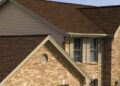
Brick siding offers a timeless and elegant look to homes. It is energy efficient, fire resistant, and requires little maintenance. However, brick siding can be costly to install and repair, and it may not be suitable for all architectural styles.
Factors to consider when choosing siding
When selecting siding for homes, there are several important factors to consider to ensure the best choice for your specific needs.Explain the importance of climate when selecting siding for homes:
Climate Considerations
The climate of the area where the home is located plays a crucial role in determining the most suitable siding material. For instance, regions with extreme weather conditions such as heavy rain or snow may require more durable and water-resistant siding options like vinyl or fiber cement.
On the other hand, areas with high temperatures may benefit from siding materials that offer better insulation to maintain comfortable indoor temperatures.Discuss the impact of cost on the choice of siding material:
Cost Considerations
The cost of siding materials and installation can vary significantly, so it is essential to consider your budget when choosing the right option for your home. While some materials like vinyl may be more budget-friendly upfront, others like cedar or stone may require a higher initial investment but offer long-term durability and aesthetic appeal.
It is important to weigh the upfront costs against the maintenance and longevity of the siding to make an informed decision.Analyze the aesthetic appeal of different siding options:
Aesthetic Appeal
The visual appeal of the siding can greatly impact the overall look of your home. Different materials offer a range of colors, textures, and styles to complement the architectural design of the house. For example, wood siding provides a classic and natural look, while metal siding offers a more modern and sleek appearance.
Consider the aesthetic preferences and style of your home when selecting the siding material to enhance its curb appeal and value.
Energy efficiency and insulation
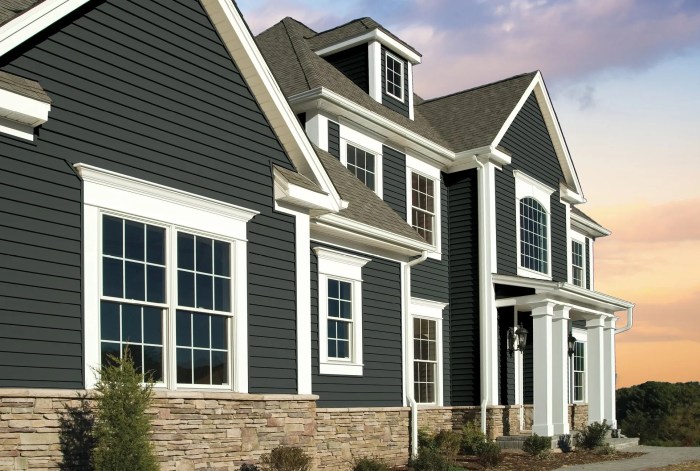
When it comes to choosing siding for your home, considering the energy efficiency and insulation properties of different materials is crucial. The type of siding you choose can have a significant impact on your home's overall energy consumption and costs.
Effect of Siding Materials on Energy Efficiency
Different siding materials have varying levels of energy efficiency. For example, vinyl siding is known for its insulation properties, helping to keep the interior of the home at a consistent temperature. Wood siding, on the other hand, may require additional insulation to maintain energy efficiency.
Fiber cement siding falls somewhere in between the two, providing moderate insulation.
Comparison of Insulation Properties
Vinyl siding
Vinyl siding typically comes with insulation backing, which helps to reduce heat loss in the winter and heat gain in the summer, making it an energy-efficient option.
Wood siding
Wood siding is a natural insulator but may not be as effective as vinyl in extreme weather conditions. Additional insulation may be needed to enhance energy efficiency.
Fiber cement siding
Fiber cement siding offers decent insulation properties, helping to regulate indoor temperatures. It is more durable than wood and can provide long-term energy savings.
Long-Term Cost Savings of Energy-Efficient Siding
Choosing energy-efficient siding can lead to significant cost savings in the long run. By reducing energy consumption for heating and cooling, you can lower your utility bills and minimize your carbon footprint. While energy-efficient siding may have a higher upfront cost, the savings on energy bills over time can make it a worthwhile investment for homeowners looking to improve their home's energy efficiency.
Installation and maintenance tips
Installing siding on a home is a crucial process that requires attention to detail and proper technique. Additionally, maintaining the siding is essential in ensuring its longevity and preserving the appearance of your home.
Step-by-step guide for installing siding:
- Prepare the surface: Make sure the surface is clean, smooth, and free of any debris before starting the installation.
- Measure and cut the siding: Accurately measure the dimensions of the area to be covered and cut the siding accordingly.
- Start at the bottom: Begin installing the siding from the bottom of the wall and work your way up, ensuring each piece overlaps properly.
- Secure the siding: Use the appropriate nails or screws to secure the siding to the wall, following the manufacturer's guidelines.
- Finish with trim: Complete the installation by adding trim pieces around windows, doors, and corners for a polished look.
Importance of proper maintenance:
Proper maintenance of siding is crucial for its longevity and overall performance. Regular cleaning, inspection for damage, and timely repairs can help prevent costly replacements in the future.
Common issues and how to address them:
- Rotting: Rotting can occur with wood siding due to exposure to moisture. To address this, replace any damaged sections and consider applying a protective sealant.
- Cracking: Vinyl siding may crack over time due to extreme temperatures. Replace cracked pieces and consider adding insulation to prevent future cracking.
- Fading: Fading of color is common with metal siding. Consider repainting or applying a protective coating to restore the original color.
Wrap-Up
As we wrap up our discussion on the best siding for homes, it's evident that choosing the right siding material can significantly impact the aesthetics, durability, and energy efficiency of your home. Armed with this knowledge, you're now better equipped to make an informed decision when it comes to enhancing your home's exterior.
Helpful Answers
Which siding material is the most durable?
Brick siding is known for its exceptional durability and longevity, making it a popular choice among homeowners looking for a long-lasting option.
How does climate impact the choice of siding material?
Climate plays a crucial role in determining the ideal siding material for your home. For example, vinyl siding is more suitable for humid climates, while fiber cement performs well in areas with extreme temperature variations.
Are there any energy-efficient siding options?
Fiber cement siding is known for its excellent energy efficiency, helping to regulate indoor temperatures and reduce energy costs over time.