Exploring the realm of best freelance jobs for digital nomads, this introduction sets the stage for a deep dive into opportunities that cater to a location-independent lifestyle. From creative gigs to tech-savvy roles, the world of freelancing beckons with promises of flexibility and autonomy.
As we navigate through the nuances of different freelance jobs and the skills they demand, a clearer picture emerges of the versatile landscape awaiting digital nomads worldwide.
Types of Freelance Jobs
Freelancing offers a wide range of opportunities for digital nomads to work remotely and earn a living. Here are some popular freelance jobs that are well-suited for those with a nomadic lifestyle:
1. Content Writing
Content writing involves creating engaging articles, blog posts, website content, and more. Writers need to have strong writing skills, creativity, and the ability to research and adapt to different writing styles. Earning potential can vary based on experience and niche expertise.
2. Graphic Design
Graphic designers create visual content for websites, social media, marketing materials, and more. Skills required include proficiency in design software, creativity, and a good eye for aesthetics. Earning potential can be high for experienced designers with a strong portfolio.
3. Web Development
Web developers build and maintain websites using coding languages like HTML, CSS, and JavaScript. They need technical skills, problem-solving abilities, and attention to detail. Earning potential is generally high for skilled web developers.
4. Social Media Management
Social media managers are responsible for creating and managing content on social media platforms. They need to have strong communication skills, marketing knowledge, and the ability to analyze data. Earning potential can vary based on the number of clients and the scope of work.
5. Virtual Assistance
Virtual assistants provide administrative support to clients remotely. Skills required include organization, communication, and proficiency in tools like email and calendar management. Earning potential can vary depending on the tasks and responsibilities involved.
Remote Work Platforms
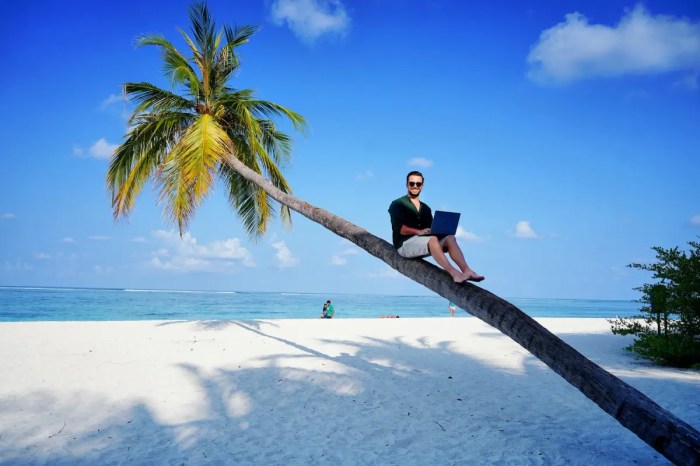
When it comes to finding freelance jobs as a digital nomad, utilizing remote work platforms can be a game-changer. These platforms connect freelancers with clients from all over the world, offering a wide range of job opportunities. Let's take a look at some popular remote work platforms, their pros and cons, as well as tips for optimizing your profile to attract clients.
Popular Remote Work Platforms
- Upwork:Upwork is one of the largest freelance platforms, offering a variety of jobs in different categories. Pros include a large pool of clients and a user-friendly interface. However, competition can be stiff, and fees can be high.
- Fiverr:Fiverr is known for its gig-based system, where freelancers offer services starting at $5. Pros include the ability to set your own prices and a diverse range of job categories. On the downside, standing out among the crowd can be challenging.
- Toptal:Toptal is a platform for top talent in the tech industry. Pros include high-quality clients and projects, but the screening process can be rigorous.
Tips for Optimizing Your Profile
- Choose a Niche:Define your expertise and focus on a specific niche to attract clients looking for specialized skills.
- Create a Professional Profile:Use a professional photo, write a compelling bio, and showcase your portfolio to make a great first impression.
- Highlight Your Skills:Clearly list your skills and experience to match client requirements and stand out from the competition.
- Request Feedback:Encourage clients to leave feedback on your profile to build credibility and trust with potential clients.
Building a Portfolio
Having a strong portfolio is crucial for digital nomads as it serves as a showcase of their skills, experience, and achievements to potential clients. A well-curated portfolio not only helps in attracting more clients but also in establishing credibility and trust in the freelance marketplace.
Importance of a Strong Portfolio
An impressive portfolio can set a digital nomad apart from the competition, showcasing their unique skills and expertise. It acts as a visual resume, allowing clients to see the quality of work and projects completed, which can lead to more job opportunities and higher paying gigs.
- Demonstrates Skills and Expertise: A portfolio provides tangible evidence of a freelancer's capabilities, giving clients confidence in their ability to deliver high-quality work.
- Builds Credibility: A strong portfolio can establish trust with potential clients, showing that the freelancer has a proven track record of successful projects.
- Showcases Experience: By including past projects and client testimonials, a portfolio demonstrates the freelancer's experience in their field.
Strategies for Creating an Impressive Portfolio
Creating an impressive portfolio involves showcasing the best work, highlighting relevant skills, and presenting information in a clear and organized manner. Here are some strategies to consider:
- Select Your Best Work: Choose projects that best showcase your skills and experience, focusing on quality over quantity.
- Create a Consistent Branding: Use a cohesive design theme and layout that reflects your personal brand and style.
- Add Client Testimonials: Include feedback from satisfied clients to build credibility and trust with potential clients.
- Showcase a Variety of Projects: Demonstrate versatility by including different types of projects to showcase a range of skills and expertise.
Examples of Successful Portfolios
1. Graphic Design Portfolio
A graphic designer's portfolio may include logo designs, branding projects, and marketing materials to showcase their creativity and skills.
2. Writing Portfolio
A writer's portfolio can feature articles, blog posts, and published work to demonstrate their writing style and expertise in different topics.
3. Web Development Portfolio
A web developer's portfolio may showcase websites they have built, highlighting their technical skills and design capabilities.
Marketing and Networking
Effective marketing strategies and networking are crucial for digital nomads to attract clients and grow their freelance business. Leveraging social media is essential in today's digital age to promote freelance services and connect with potential clients and collaborators.
Effective Marketing Strategies
- Identify your target market and tailor your marketing efforts to reach them effectively.
- Create a strong personal brand that showcases your skills, expertise, and unique selling points.
- Utilize search engine optimization () techniques to increase visibility and reach on online platforms.
- Collaborate with other freelancers or businesses to expand your network and reach a wider audience.
- Offer valuable content through blog posts, videos, or webinars to establish credibility and attract potential clients.
Tips for Networking
- Attend industry events, conferences, and workshops to meet other freelancers and potential clients face-to-face.
- Join online freelance communities and forums to connect with like-minded professionals and share insights and experiences.
- Utilize professional networking platforms like LinkedIn to showcase your skills, connect with industry professionals, and explore new opportunities.
- Reach out to past clients for referrals and testimonials to build credibility and attract new clients.
Leveraging Social Media
- Create a strong presence on social media platforms like Instagram, Twitter, and Facebook to showcase your work and engage with your audience.
- Share valuable content, updates, and insights to position yourself as an expert in your field and attract potential clients.
- Use social media advertising to reach a targeted audience and promote your freelance services effectively.
- Engage with your followers, respond to comments and messages promptly, and build relationships with your audience to foster trust and loyalty.
Managing Finances
Managing finances as a digital nomad is crucial for maintaining financial stability while working as a freelancer. It involves effective budgeting, saving money, and utilizing tools and software to streamline financial management.
Tools and Software for Financial Management
- QuickBooks: A popular accounting software that helps track expenses, create invoices, and manage taxes efficiently.
- Wave: A free accounting software that offers features like invoicing, receipt scanning, and financial reporting.
- Mint: A budgeting app that allows you to track your spending, set financial goals, and monitor your overall financial health.
- PayPal: A secure payment platform that simplifies sending and receiving money, making it convenient for freelancers to manage their income.
Tips for Budgeting and Saving Money
- Set a budget: Determine your monthly expenses and allocate a specific amount for essentials like accommodation, food, and transportation.
- Avoid unnecessary expenses: Cut back on non-essential purchases and focus on saving money for future travels or emergencies.
- Create an emergency fund: Save a portion of your income in a separate account to cover unexpected expenses or income fluctuations.
- Track your spending: Use budgeting apps or spreadsheets to monitor your expenses and identify areas where you can cut costs.
Balancing Work and Travel
As a digital nomad, finding the right balance between work and travel is crucial for maintaining productivity and overall well-being. Here are some strategies to help you achieve this balance:
Staying Productive on the Road
- Create a routine: Establishing a consistent work schedule can help you stay focused and productive, even in different environments.
- Find the right workspace: Look for quiet and comfortable places to work, such as coworking spaces or cafes with good Wi-Fi.
- Set boundaries: Learn to disconnect from work when needed to avoid burnout and enjoy your travel experiences.
Dealing with Time Zone Differences and Travel Disruptions
- Plan ahead: Schedule meetings and deadlines taking into account time zone differences to avoid conflicts.
- Stay flexible: Be prepared for unexpected travel disruptions and have backup plans in place to minimize disruptions to your work.
- Communicate effectively: Keep your clients or team informed about your travel plans and availability to manage expectations.
Ending Remarks
In conclusion, the tapestry of best freelance jobs for digital nomads unveils a myriad of possibilities, each offering a unique blend of challenges and rewards. As freelancers continue to redefine traditional work paradigms, the future seems bright for those embracing the nomadic lifestyle.
Top FAQs
What are some high-paying freelance jobs for digital nomads?
High-paying freelance jobs for digital nomads often include roles such as software development, digital marketing, and graphic design, where specialized skills command premium rates in the freelance market.
How can digital nomads ensure a steady stream of freelance projects?
To maintain a consistent flow of freelance projects, digital nomads can leverage networking platforms, showcase their expertise through a strong portfolio, and consistently upgrade their skills to stay relevant in a competitive market.
What are the common challenges digital nomads face in managing finances?
Managing finances as a digital nomad can be challenging due to fluctuating income, varying currencies, and complex tax implications. Utilizing financial management tools and seeking professional advice can help navigate these obstacles effectively.