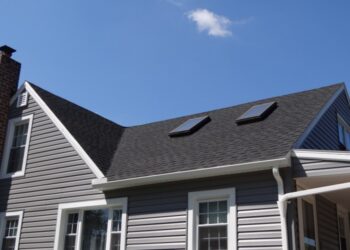
Embark on a journey through the realm of roofing and siding, where the choice of materials, installation techniques, maintenance tips, and cost considerations play a crucial role in the overall success of your project. Let's delve into the nuances of this essential aspect of construction and renovation.
Types of Roofing and Siding Materials
When it comes to roofing and siding, there are various materials available in the market to choose from. Each material has its own set of advantages and disadvantages, making it important to understand the differences before making a decision.
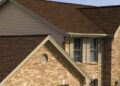
Asphalt Shingles
- Pros:
- Cost-effective
- Easy installation
- Available in a variety of colors
- Cons:
- Shorter lifespan compared to other materials
- Not as environmentally friendly
- Examples:
- Architectural Shingles
- 3-Tab Shingles
Metal Roofing
- Pros:
- Long lifespan
- Durable
- Energy-efficient
- Cons:
- Higher upfront cost
- Potential noise during rain or hail
- Examples:
- Standing Seam
- Corrugated Metal
Vinyl Siding
- Pros:
- Low maintenance
- Cost-effective
- Available in various colors and styles
- Cons:
- Can crack or fade over time
- Not as durable as other materials
- Examples:
- Horizontal Vinyl Siding
- Vertical Vinyl Siding
Installation Process
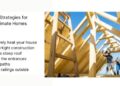
Installing roofing and siding involves several key steps to ensure a proper and durable installation. Let's explore the general process, tools needed, and best practices for a successful project.
Roofing Installation
When installing a new roof, the following steps are typically involved:
- Preparation of the roof deck, including any necessary repairs or replacements.
- Installation of underlayment to provide a waterproof barrier.
- Placement of roofing materials, such as shingles or tiles, according to the manufacturer's guidelines.
- Flashing installation around roof penetrations to prevent water infiltration.
- Finishing touches and cleanup to ensure the roof is properly sealed and secure.
Siding Installation
For siding installation, the process usually includes:
- Preparation of the exterior walls, which may involve removing old siding and repairing any damage.
- Installation of a moisture barrier to protect the underlying structure.
- Placement of siding panels or pieces, following the manufacturer's instructions for proper alignment and fastening.
- Adding trim pieces and finishing touches to enhance the visual appeal and weather resistance of the siding.
Specialized tools and equipment such as nail guns, ladders, safety harnesses, and cutting tools are often required for roofing and siding installations to ensure efficiency and safety.
Best Practices
To achieve a proper and durable roofing and siding installation, it is essential to:
- Follow manufacturer guidelines for installation to ensure product warranties are valid.
- Properly prepare the surface and address any underlying issues before installing new roofing or siding materials.
- Use high-quality materials and fasteners to enhance the longevity and performance of the roof and siding.
- Work carefully and methodically to avoid mistakes that could compromise the integrity of the installation.
- Regularly inspect and maintain the roof and siding to address any issues promptly and prolong their lifespan.
Maintenance Tips
When it comes to maintaining your roofing and siding, regular upkeep is key to prolonging their lifespan and preventing costly repairs down the line. By following some simple maintenance tips, you can ensure that your roofing and siding remain in top condition for years to come.
Regular Inspections
- Inspect your roofing and siding regularly for any signs of damage, such as missing shingles, cracks, or warping.
- Check for water stains on the ceiling or walls, which may indicate a leak in the roof.
- Look for signs of mold or mildew growth, which can be a result of moisture buildup.
Cleaning and Debris Removal
- Clean your roof and siding periodically to remove dirt, debris, and leaves that can accumulate and cause damage.
- Trim overhanging branches to prevent them from rubbing against the roof or siding.
- Clear gutters and downspouts regularly to ensure proper drainage and prevent water buildup.
Addressing Repairs Promptly
- Address any issues with your roofing or siding as soon as they arise to prevent further damage.
- Repair or replace damaged shingles, siding panels, or flashing to maintain the integrity of your home's exterior.
- Consult a professional if you are unsure how to address a maintenance issue to avoid causing more harm.
Cost Considerations
When it comes to roofing and siding projects, cost considerations play a significant role in determining the overall budget. Various factors can influence the cost, including materials used, installation methods, labor costs, and project size. It's essential to understand these factors to effectively budget for your roofing and siding project.
Factors Influencing Cost
- The type of material chosen for roofing and siding can greatly impact the overall cost. Materials like asphalt shingles are more affordable compared to metal or slate.
- The complexity of the installation process can also affect the cost. Steep roofs or intricate siding designs may require more labor and time, increasing the overall expenses.
- Additional features such as insulation, ventilation, and underlayment can add to the total cost of the project.
- Local labor rates and market demand can influence the cost of hiring professionals for installation.
Cost Comparison
| Material | Average Cost (per square foot) |
|---|---|
| Asphalt Shingles | $1
|
| Metal Roofing | $5
|
| Slate Roofing | $10
|
Budgeting Tips
- Get multiple quotes from different contractors to compare prices and services offered.
- Set aside a contingency fund for unexpected expenses that may arise during the project.
- Consider the long-term costs of maintenance and repairs when selecting materials for your roofing and siding.
- Plan ahead and prioritize essential aspects of the project to stay within your budget.
End of Discussion
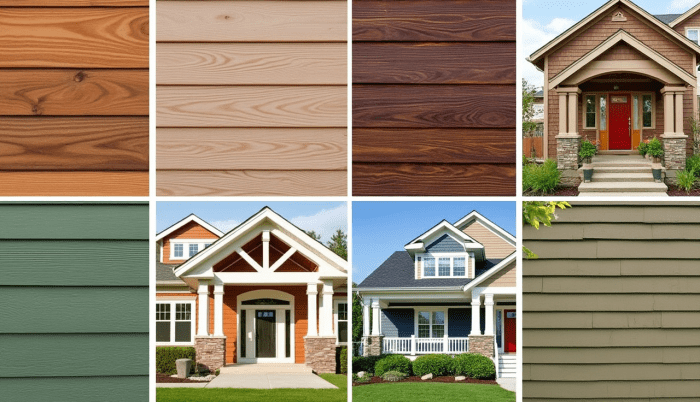
As we conclude our exploration of roofing and siding, remember that choosing the right materials, following proper installation procedures, and implementing effective maintenance strategies are key to ensuring the longevity and durability of your structure. With these insights in mind, you are well-equipped to make informed decisions for your roofing and siding projects.
Question Bank
What are the most common materials used for roofing and siding?
The most common materials include asphalt shingles, metal roofing, vinyl siding, wood shakes, and fiber cement siding.
What are some common maintenance issues with roofing and siding?
Common issues include leaks, cracks, mold growth, and warping of materials due to weather exposure.
How can I effectively budget for a roofing and siding project?
Consider factors like material costs, installation fees, and any additional repairs or maintenance that may be needed in the future to create a comprehensive budget.