Architectural interior design sets the stage for this enthralling narrative, offering readers a glimpse into a story that is rich in detail and brimming with originality from the outset. From the impact on functionality to the integration of architectural elements, this field encapsulates a fascinating blend of aesthetics and practicality.
As we delve into the key elements, current trends, sustainable practices, and challenges faced in architectural interior design, a world of creativity and innovation unfolds before us.
Importance of Architectural Interior Design
Architectural interior design plays a crucial role in shaping the functionality and aesthetic appeal of a space. It goes beyond just decorating the interior and focuses on creating a harmonious environment that enhances the overall user experience.
Impact on Functionality
Architectural interior design directly impacts the functionality of a space by optimizing layouts, traffic flow, and spatial organization. For example, a well-designed office space with strategically placed workstations and meeting areas can improve productivity and collaboration among employees.
Creating a Cohesive Aesthetic
Architectural interior design helps create a cohesive aesthetic by integrating elements such as color schemes, materials, lighting, and furniture. A well-designed restaurant, for instance, can use a combination of warm lighting, comfortable seating, and tasteful decor to create a welcoming and inviting ambiance for diners.
Enhancing User Experience
Architectural interior design enhances the user experience by considering aspects such as comfort, convenience, and accessibility. In a hotel lobby, thoughtful design choices like plush seating, easy navigation, and visually appealing elements can leave a lasting impression on guests and make their stay more enjoyable.
Elements of Architectural Interior Design
When it comes to architectural interior design, several key elements play a crucial role in creating a cohesive and visually appealing space. These elements not only enhance the aesthetics of a room but also contribute to the overall functionality and comfort of the space.
Lighting
Lighting is a fundamental element of architectural interior design as it has the power to transform the mood and ambiance of a room. Properly designed lighting can highlight architectural features, create focal points, and enhance the overall design scheme. Whether it's natural lighting, ambient lighting, task lighting, or accent lighting, each type serves a specific purpose in illuminating the space effectively.
Color Schemes
Color plays a significant role in setting the tone and atmosphere of a room. Different color schemes can evoke various emotions and feelings, influencing the way people perceive and interact with the space. Understanding color psychology and how different hues complement each other is essential in creating a harmonious and visually appealing interior design.
Materials and Textures
Materials and textures add depth and dimension to a room, creating visual interest and tactile experiences. From natural elements like wood and stone to man-made materials like glass and metal, the choice of materials can significantly impact the overall look and feel of a space.
Combining a variety of textures, such as smooth, rough, shiny, or matte, can add richness and complexity to the design.
Furniture Layout and Spatial Planning
Furniture layout and spatial planning are crucial aspects of architectural interior design, as they determine the functionality and flow of a space. The placement of furniture pieces should not only be aesthetically pleasing but also practical and conducive to the activities that will take place in the room.
Proper spatial planning ensures that the space is utilized efficiently and that there is a good balance between open areas and circulation paths.
Integration of Architectural Elements
Architectural elements such as columns, beams, and arches can be integrated into interior design to create a cohesive and harmonious look. These structural elements can serve as focal points or design features that enhance the overall aesthetic of a room.
By incorporating architectural elements into the interior design, a sense of continuity and unity can be achieved throughout the space.
Trends in Architectural Interior Design
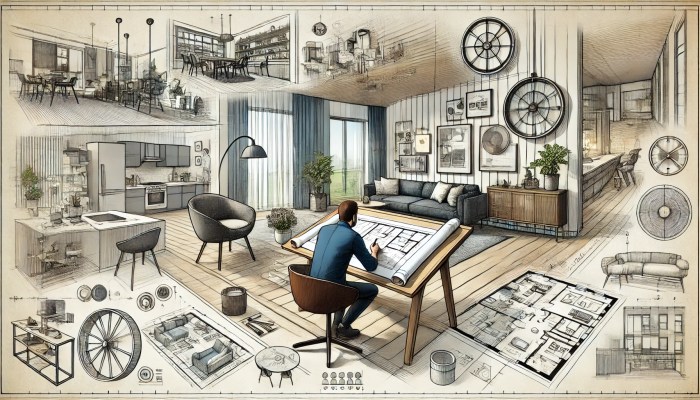
Interior design trends are constantly evolving to reflect the changing needs and preferences of society. Two prominent trends in architectural interior design are sustainability and minimalism. These trends have gained popularity in recent years as people become more conscious of environmental impact and seek simplicity in their living spaces.
Sustainability in Architectural Interior Design
One of the major trends in architectural interior design is sustainability, which focuses on creating environmentally friendly spaces that minimize waste and reduce energy consumption. Designers are using sustainable materials such as reclaimed wood, bamboo, and recycled glass to create stylish and eco-friendly interiors.
In addition, energy-efficient lighting and smart home technology are being integrated into designs to reduce the carbon footprint of buildings.
Minimalism in Architectural Interior Design
Another popular trend in architectural interior design is minimalism, which emphasizes simplicity, clean lines, and a clutter-free aesthetic. Minimalist interiors often feature neutral color palettes, sleek furniture, and uncluttered spaces that promote a sense of calm and tranquility. This design approach focuses on quality over quantity, with an emphasis on functionality and purposeful design elements.
Traditional vs Modern Architectural Interior Design
Traditional architectural interior design often features ornate details, intricate patterns, and rich textures that create a sense of opulence and grandeur. In contrast, modern interior design tends to favor clean lines, open spaces, and minimalistic decor that prioritizes simplicity and functionality.
While traditional design may evoke a sense of nostalgia and luxury, modern design is more focused on practicality and contemporary aesthetics
Technology in Architectural Interior Design Trends
Technology plays a significant role in shaping current trends in architectural interior design. Advancements in virtual reality, 3D modeling, and smart home technology have revolutionized the way designers conceptualize and execute interior projects. Virtual reality allows clients to visualize designs before they are implemented, while smart home technology enables automation and customization of living spaces.
These technological innovations have enhanced the efficiency and creativity of architectural interior design practices.
Sustainable Practices in Architectural Interior Design
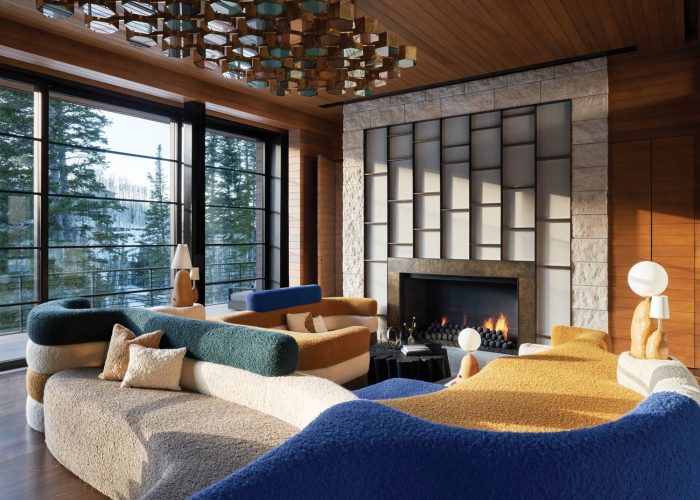
Implementing sustainable practices in architectural interior design is crucial in preserving the environment and creating healthier living spaces. By incorporating eco-friendly materials and energy-efficient solutions, designers can significantly reduce the environmental impact of their projects.
Eco-Friendly Materials
When it comes to sustainable interior design, using eco-friendly materials is key. Some examples of such materials include:
- Bamboo: A fast-growing and renewable resource that can be used for flooring, furniture, and decor.
- Recycled Glass: Utilizing recycled glass for countertops, tiles, and decorative elements can reduce waste and energy consumption.
- Cork: Harvested from the bark of cork oak trees without harming them, cork is a sustainable option for flooring and wall coverings.
Energy-Efficient Solutions
In addition to using eco-friendly materials, incorporating energy-efficient solutions can further enhance the sustainability of interior design projects. Some examples include:
- LED Lighting: Energy-efficient LED bulbs consume less electricity and have a longer lifespan compared to traditional incandescent bulbs.
- Solar Panels: Harnessing solar energy to power lighting and appliances can reduce reliance on non-renewable energy sources.
- Smart Thermostats: Controlling heating and cooling systems intelligently can optimize energy usage and reduce overall consumption.
Impact on Design Process
Integrating sustainable practices into the design process not only benefits the environment but also influences the overall aesthetic and functionality of interior spaces. Designers must consider factors such as natural lighting, ventilation, and material selection to create healthy and sustainable environments for occupants.
Challenges Faced in Architectural Interior Design
When it comes to architectural interior design, there are several challenges that designers often encounter. These challenges can range from limited space and budget constraints to meeting the diverse preferences of clients. Overcoming these obstacles requires a delicate balance between functionality and aesthetics, as well as finding ways to fuse creativity with practicality.
Limited Space
Designing in a limited space can be a major challenge for interior architects. To overcome this challenge, designers must focus on maximizing the use of space through smart storage solutions, multi-functional furniture, and strategic layout planning. Utilizing vertical space, incorporating built-in furniture, and implementing clever design tricks like mirrors to create an illusion of space can also help in making a small area feel larger and more functional.
Budget Constraints
Budget constraints are another common challenge faced in architectural interior design projects. To work within a limited budget, designers need to prioritize spending on key elements that will have the most impact on the overall design. This may involve sourcing cost-effective materials, exploring alternative finishes, and finding creative solutions to achieve the desired look without compromising on quality.
Effective budget management and clear communication with clients are essential in ensuring that the project stays within financial constraints.
Client Preferences
Meeting the diverse preferences of clients can present a challenge for interior designers. Clients often have different tastes, styles, and expectations, which can sometimes conflict with the designer's vision. To overcome this challenge, designers must establish clear communication with clients from the outset, listen actively to their needs and preferences, and find a balance between incorporating the client's desires while staying true to the design principles.
Building a strong rapport with clients and involving them in the decision-making process can help in creating a space that reflects their personality and meets their expectations.
Ultimate Conclusion
In conclusion, architectural interior design emerges as a dynamic realm where creativity meets functionality, and aesthetics intertwine with purpose. It is a field that constantly evolves, reflecting the changing needs and preferences of society while embracing sustainability and technological advancements.
Clarifying Questions
What role does lighting play in architectural interior design?
Lighting is crucial in setting the ambiance of a space, enhancing architectural features, and creating a functional environment.
How can one balance creativity and practicality in interior design projects?
Balancing creativity and practicality involves understanding the client's needs, utilizing innovative solutions, and maintaining a cohesive design concept.
What are some common challenges faced in architectural interior design?
Common challenges include limited space, budget constraints, and the need to harmonize client preferences with design principles.