Embarking on a journey through the realm of commercial siding and roofing services, this introductory passage sets the stage for a comprehensive exploration of why quality matters in enhancing commercial properties. From the impact of subpar installations to the benefits of expert services, discover the crucial elements that shape the structural integrity and visual appeal of commercial buildings.
Delve into the nuances of various commercial siding materials and roofing systems, gaining insights into their durability, maintenance requirements, and overall functionality within the commercial landscape. As we unravel the complexities of hiring the right contractor, uncover the essential criteria, tips for vetting credibility, and the significance of insurance and warranties in safeguarding your investment.
Importance of Commercial Siding and Roofing Services
When it comes to commercial buildings, high-quality siding and roofing are essential for various reasons.
Impact of Poor Siding or Roofing on a Commercial Property
- Poor siding or roofing can lead to water leaks, which can damage the interior of the building and its contents.
- Cracked or damaged siding can give a negative first impression to clients or customers visiting the property.
- Structural issues caused by faulty siding or roofing can compromise the safety of the building and its occupants.
Benefits of Investing in Professional Commercial Siding and Roofing Services
- Increased property value: Well-maintained siding and roofing can enhance the overall value of the commercial building.
- Energy efficiency: Properly installed siding and roofing can improve insulation, leading to lower energy costs.
- Enhanced aesthetics: High-quality siding and roofing can give a fresh and attractive look to the building, attracting more customers or tenants.
- Long-term savings: Investing in professional services upfront can prevent costly repairs or replacements in the future.
Types of Commercial Siding Materials
When it comes to commercial siding, there are various materials available in the market that cater to different needs and preferences. Each type of siding material comes with its own set of advantages and considerations, ranging from durability to aesthetic appeal.
Vinyl Siding
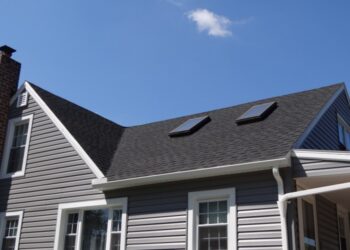
Vinyl siding is one of the most popular choices for commercial buildings due to its affordability and low maintenance requirements. It is available in a wide range of colors and styles, making it versatile for various architectural designs. While vinyl siding is durable and resistant to rot, it may fade over time and can crack in extreme weather conditions.
Fiber Cement Siding
Fiber cement siding is known for its durability and resistance to fire, insects, and rot. It can mimic the look of wood or stucco siding, providing a high-end aesthetic appeal. However, fiber cement siding requires periodic painting or resealing to maintain its appearance and protect it from moisture damage.
Metal Siding
Metal siding, such as aluminum or steel, is a popular choice for commercial buildings due to its longevity and low maintenance requirements. It is resistant to fire, insects, and rot, making it a durable option for harsh weather conditions. Metal siding can be prone to dents and scratches, but regular maintenance can help prevent these issues.
Wood Siding
Wood siding, such as cedar or redwood, offers a natural and classic look to commercial buildings. It is environmentally friendly and can be easily painted or stained to match the desired aesthetic. However, wood siding requires regular maintenance, including sealing, staining, and painting to protect it from moisture and insect damage.
Brick Siding
Brick siding is a timeless and durable option for commercial buildings, providing a classic and elegant appearance. It is resistant to fire, insects, and rot, making it a long-lasting choice for exterior cladding. While brick siding is low maintenance and can withstand various weather conditions, it can be costly to install compared to other siding materials.
Commercial Roofing Systems
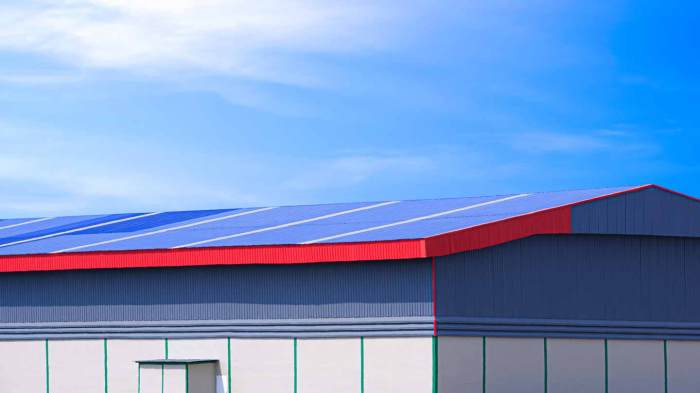
When it comes to commercial properties, selecting the right roofing system is crucial for the overall functionality and longevity of the building. Different types of roofing systems offer unique advantages and disadvantages, tailored to specific needs and preferences.
Flat Roofs vs. Pitched Roofs
Flat roofs and pitched roofs are two common options for commercial buildings, each with its own set of pros and cons.
- Flat Roofs:
- Pros:
- Cost-effective installation and maintenance
- Additional outdoor space for equipment or recreational areas
- Cons:
- Potential drainage issues leading to water pooling
- Less insulation and ventilation compared to pitched roofs
- Pitched Roofs:
- Pros:
- Efficient water drainage and snow shedding
- More space for insulation and ventilation
- Cons:
- Higher initial installation costs
- Require regular maintenance due to exposed slopes
Importance of Proper Insulation and Ventilation
Proper insulation and ventilation play a crucial role in the performance of commercial roofing systems.
- Insulation:
- Ventilation:
Effective insulation helps regulate indoor temperature, reduce energy costs, and prevent moisture buildup.
Good ventilation promotes air circulation, reduces heat buildup, and prevents condensation issues.
Factors to Consider When Hiring a Commercial Siding and Roofing Contractor
When it comes to hiring a commercial siding and roofing contractor, there are several important factors to consider to ensure you choose the right company for the job. From evaluating their credentials to checking their reputation, here are some key criteria to keep in mind.
Checklist of Essential Criteria
- Experience: Look for a contractor with a proven track record in commercial siding and roofing projects.
- Reputation: Check online reviews and ask for references to gauge the company's reputation.
- Licensing and Insurance: Verify that the contractor is properly licensed and carries adequate insurance coverage.
- Warranties: Inquire about the warranties offered on their workmanship and materials.
- Cost: Get multiple quotes and compare pricing to ensure you are getting a fair deal.
Tips for Verifying Credibility and Reputation
- Research: Look up the company online and check for any complaints or negative feedback.
- References: Ask the contractor for references and follow up with past clients to get feedback on their work.
- Certifications: Check if the contractor is certified by leading industry manufacturers or trade associations.
- Portfolio: Review the contractor's portfolio of past projects to see if they have experience in similar work.
Importance of Insurance, Licensing, and Warranties
Insurance, licensing, and warranties are crucial when choosing a commercial siding and roofing contractor. Insurance protects you in case of accidents or damage during the project, licensing ensures the contractor meets industry standards, and warranties provide peace of mind that the work is guaranteed.
Summary
In a tapestry woven with threads of expertise and precision, the discussion on commercial siding and roofing services culminates in a harmonious blend of insight and practicality. As we bid adieu to this informative journey, may your newfound knowledge guide you towards informed decisions and lasting investments in the upkeep of commercial spaces.
Quick FAQs
What are the common materials used for commercial siding?
Common materials include vinyl, wood, fiber cement, and metal, each offering unique benefits in terms of aesthetics and durability.
What are the different types of roofing systems suitable for commercial properties?
Commercial properties can utilize flat roofs, pitched roofs, or even green roofs, each with distinct advantages depending on the specific needs of the building.
How can I verify the credibility of a commercial siding and roofing company?
Verify credibility by checking references, reading reviews, and ensuring the company is licensed, insured, and offers warranties for their work.
Why is proper insulation important in commercial roofing systems?
Proper insulation helps regulate temperature, reduce energy costs, and prevent issues like moisture buildup and structural damage.
What factors should I consider when selecting a commercial siding and roofing contractor?
Consider their experience, reputation, pricing, insurance coverage, warranties offered, and the quality of materials they use for installations.