Northern Home Improvement Design Trends for Cold Climates sets the stage for this enthralling narrative, offering readers a glimpse into a story that is rich in detail and brimming with originality from the outset. From key design elements to energy-efficient solutions, this discussion covers everything you need to know to make your home cozy and efficient in cold climates.
As we delve into the world of home improvement design for cold climates, you'll discover innovative approaches to maximize natural light, weather-resistant exterior features, and more. Get ready to transform your space into a warm and inviting haven even during the harshest winter months.
Northern Home Improvement Design Trends for Cold Climates
![7 Smart Home Design Tips for Cold Climates | UltraTech [with Infographic]](https://exterior.pasundanekspres.id/wp-content/uploads/2025/11/cold-climate-strategies-2x.png "7 Smart Home Design Tips for Cold Climates | UltraTech [with Infographic]")
When it comes to designing homes in cold climates, there are several key elements to consider in order to create a cozy and comfortable living space.
Key Design Elements Suited for Cold Climates
In cold climates, it is essential to focus on insulation to keep the home warm and energy-efficient. This can be achieved through:
- Double or triple-pane windows to minimize heat loss
- Properly insulated walls and attics to retain heat
- Sealing gaps and cracks to prevent drafts
Materials Ideal for Insulation in Cold Regions
Choosing the right materials for insulation is crucial in cold climates. Some examples of ideal materials include:
- Spray foam insulation for its high R-value and ability to fill gaps
- Fiberglass insulation for its affordability and effectiveness
- Cellulose insulation made from recycled paper for its eco-friendly properties
Using Color Schemes for a Cozy Ambiance
Color schemes play a significant role in creating a warm and inviting atmosphere in homes located in cold climates. Consider using warm tones such as:
- Earthy browns and beiges for a natural and cozy feel
- Deep reds and oranges to add warmth and vibrancy
- Rich greens and blues for a calming and soothing effect
Energy-Efficient Solutions for Northern Homes
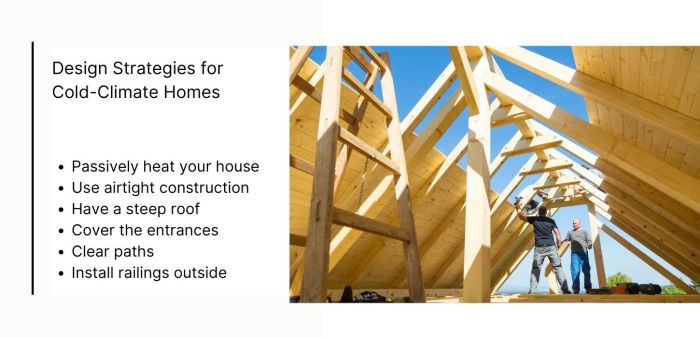
In cold climates, it is crucial to implement energy-efficient solutions in homes to reduce heating costs and environmental impact. By utilizing innovative technologies and proper insulation, homeowners can create a comfortable and sustainable living environment.
Energy-Efficient Heating Systems
When it comes to heating systems for northern homes, there are several energy-efficient options available:
- Heat Pumps: These systems extract heat from the air or ground and transfer it inside the house, providing efficient heating even in cold temperatures.
- Solar Heating: Utilizing solar panels to capture sunlight and convert it into heat can be a cost-effective and eco-friendly way to warm your home.
- Geothermal Heating: By harnessing the heat from the earth's core, geothermal systems can provide consistent and efficient heating throughout the year.
Importance of Proper Insulation
Proper insulation is essential in reducing energy consumption in cold regions by minimizing heat loss. High-quality insulation in walls, floors, and roofs can help maintain a consistent indoor temperature and reduce the workload on heating systems.
Traditional vs. Modern Heating Methods
Traditional heating methods like wood stoves and oil furnaces have been commonly used in northern homes, but they are often less energy-efficient and environmentally friendly compared to modern alternatives. Modern heating systems, such as heat pumps and solar heating, offer higher efficiency and lower carbon emissions.
Weather-Resistant Exterior Design Features
In regions with harsh winter conditions, it is crucial to incorporate weather-resistant exterior design features to protect homes from extreme cold and ensure longevity.
Durable Materials for Exteriors
When it comes to choosing materials for exteriors in cold climates, durability is key. Examples of durable materials include:
- Fiber cement siding: Resistant to moisture, rot, and pests.
- Stone veneer: Provides a natural and durable finish.
- Metal roofing: Offers longevity and can withstand heavy snow loads.
Proper Sealing and Weatherproofing
Proper sealing and weatherproofing are essential to protect homes from the harsh elements of winter. This includes:
- Sealing gaps and cracks: Prevents heat loss and drafts.
- Installing quality windows and doors: Improves insulation and energy efficiency.
- Using weather-resistant barriers: Shields against moisture and wind infiltration.
Innovative Design Elements
Incorporating weather-resistant design elements can be done without compromising aesthetics. Some innovative ways to achieve this include:
- Vertical gardens: Adds a natural barrier against wind and snow.
- Integrated gutters: Conceals drainage systems for a sleek look.
- Exterior shutters: Provides both style and protection against harsh weather.
Maximizing Natural Light and Heat in Northern Homes
Maximizing natural light and heat in northern homes is essential for creating a warm and inviting living space, especially during the long winter months. By strategically incorporating design elements that harness sunlight, homeowners can not only brighten up their interiors but also reduce heating costs.
Strategies for Maximizing Natural Light
When dealing with limited sunlight exposure, there are several strategies homeowners can implement to maximize natural light in their homes:
- Choose light-colored paint for walls to reflect light and brighten up the space.
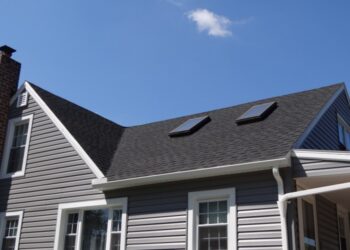
- Install skylights or light tubes to bring in additional sunlight from above.
- Use sheer or light-filtering window treatments to allow more natural light to enter the room.
Passive Solar Heating Techniques
Passive solar heating techniques involve using the sun's energy to heat a home without the need for mechanical systems. Here are some ways to integrate passive solar heating into home design:
- Orienting the house to maximize southern exposure and minimize northern exposure.
- Installing large south-facing windows to capture sunlight during the day.
- Using thermal mass materials such as concrete or tile floors to absorb and store heat from the sun.
Optimizing Window Placement and Design
Windows play a crucial role in harnessing sunlight for warmth in cold climates. Here are some tips for optimizing window placement and design:
- Place windows on the south side of the house to maximize solar heat gain.
- Consider using double or triple-pane windows with low-emissivity coatings to improve energy efficiency.
- Use overhangs or awnings to shade windows in the summer and allow sunlight in during the winter.
Closing Summary
In conclusion, Northern Home Improvement Design Trends for Cold Climates offers a comprehensive guide to revamping your home for the winter season. By incorporating the discussed elements, you can create a space that is not only stylish but also energy-efficient and resilient to harsh weather conditions.
Embrace these design trends and elevate your home to new levels of comfort and aesthetics.
User Queries
What are some key design elements suited for cold climates?
Key design elements for cold climates include proper insulation, use of warm color schemes, and durable materials for exteriors.
How can I maximize natural light in a home with limited sunlight exposure during winter?
You can maximize natural light by optimizing window placement, utilizing reflective surfaces, and incorporating light-colored interior decor.
What are some examples of energy-efficient heating systems suitable for cold climates?
Examples of energy-efficient heating systems include radiant floor heating, heat pumps, and high-efficiency furnaces.